Benefits of a standing frame
- Helps keep bones and joints healthy
- Makes your heart stronger
- Improves digestion and bladder /bowel function
- Keeps your body flexible
- Shifts your weight to prevent pressure sores
- Strengthens muscles that are currently active
Selecting a standing frame
There are many brands and models of standing frames available. Consult with your healthcare provider on which type of frame and components are right for your condition.
When selecting a standing frame size, think about your height and how deep the seat needs to be. If you know the depth of your wheelchair cushion, aim for something similar.
EasyStand
- Evolv Medium – Approximate Height Range 4’0″ – 5’6″ and up to 200 lbs. Seat Depth Range: 14″-19″
- Evolv Large – Approximate Height Range 5’0″ – 6’2” and up to 280 lbs. Seat Depth Range: 18″-23″
- Evolv XT – Approximate Height Range 6’0″ – 6’10” and up to 350 lbs. Seat Depth Range: 19″-24″
- StrapStand – Approximate Height Range 5’0″ – 6’5” and up to 350 lbs.
Prime Engineering
- Symmetry Youth – Approximate Height Range 3’6″ – 5’6″ and up to 200 lbs.
- Symmetry – Approximate Height Range 5’0″ – 6’5″ and up to 275 lbs.
- GrandStand III – Approximate Height Range 4’6″ – 6’5″ and up to 250 lbs.
Disclaimer: Shepherd Center does not endorse or promote any particular brand of standing frame. The information shared on this page is for informational purposes only.
Paying for a standing frame
Your insurance might cover a standing frame with a prescription—but not always. If it doesn’t, there are other ways to get one. For example, groups like FODAC offer donated medical equipment, and you may qualify for grants like the Georgia Brain and Spinal Injury Trust Fund. You can find more helpful resources on the MyShepherdConnection Resource list.
Safety tips
Before using a standing frame, talk to your doctor or physical therapist to make sure it’s safe for you. This is especially important if you have low blood pressure when changing positions (called orthostatic hypotension) or if you have a condition that impacts your bone strength or joint health.
Disclaimer: The information provided on this page is for general guidance on using a standing frame and is not a substitute for professional medical advice. Always consult your healthcare provider for recommendations specific to your condition.
Standing frame videos
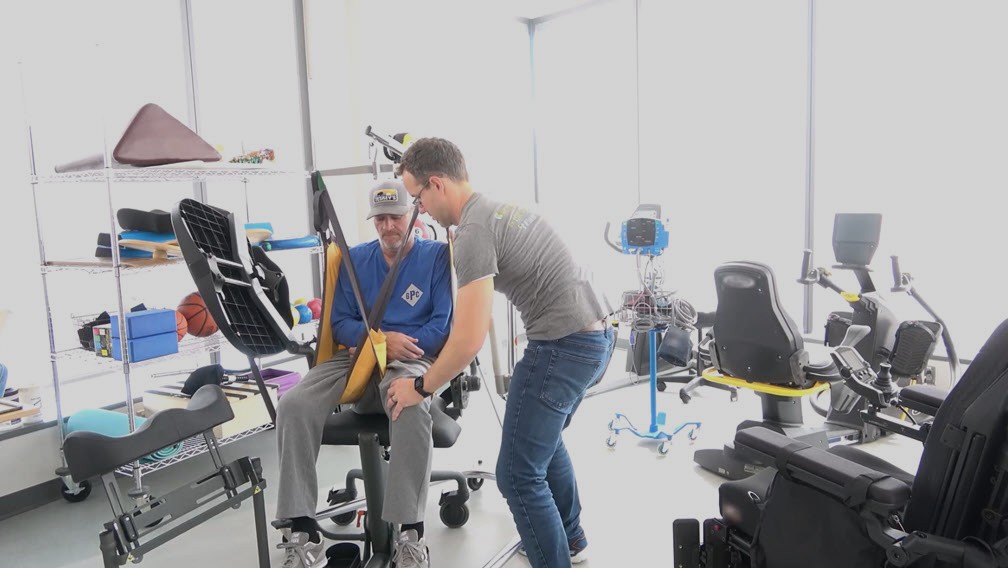
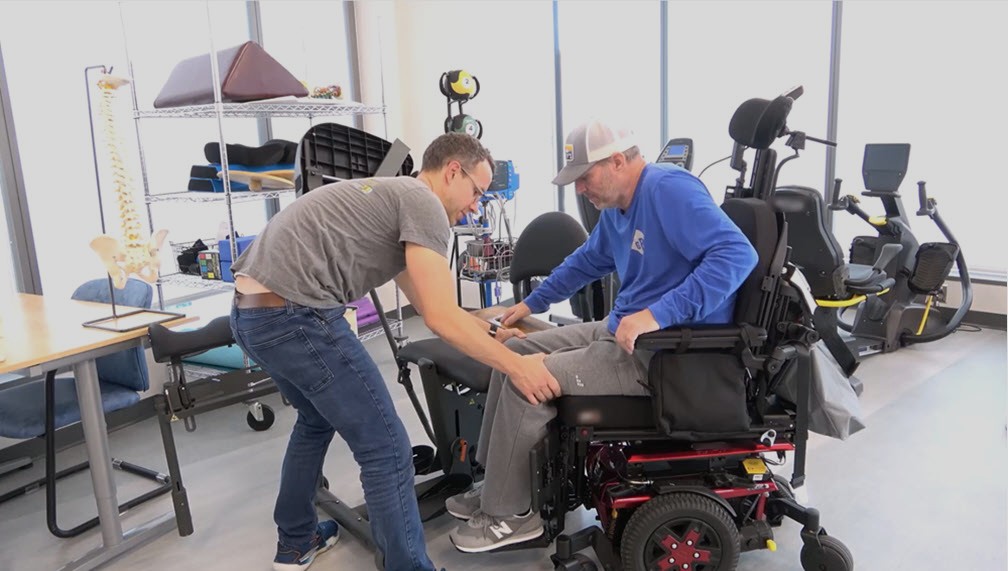
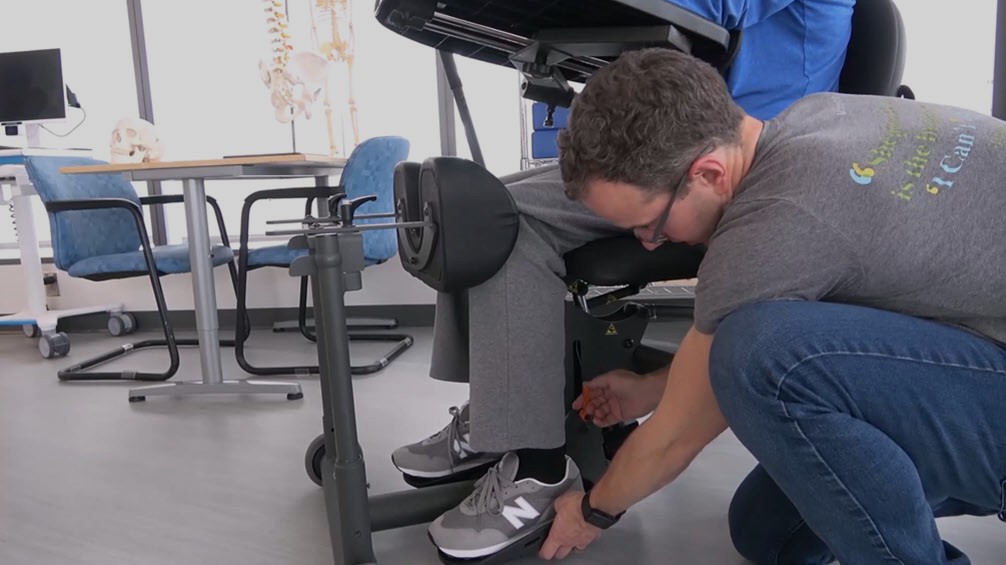
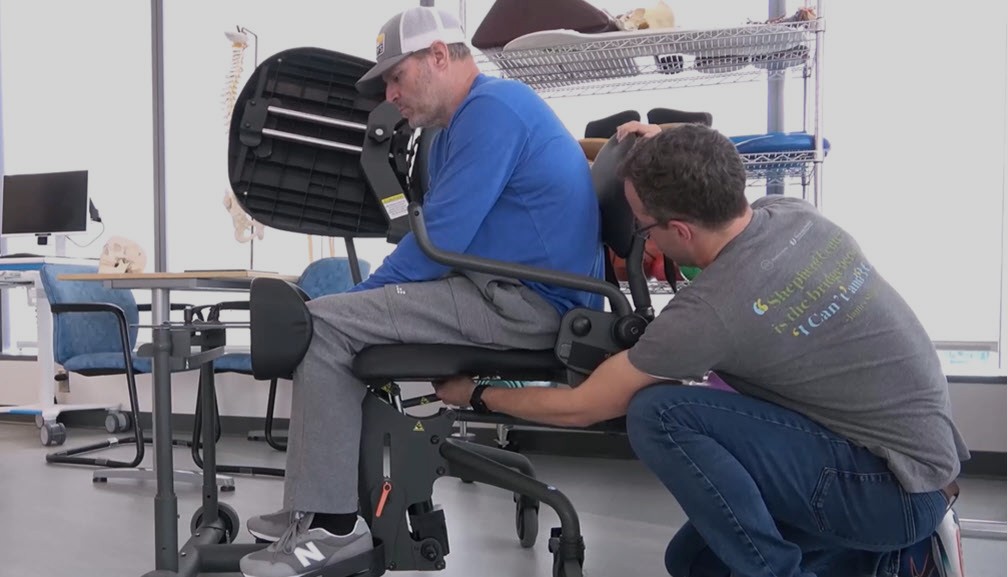
The following videos demonstrate how to use a standing frame safely.
What you’ll learn
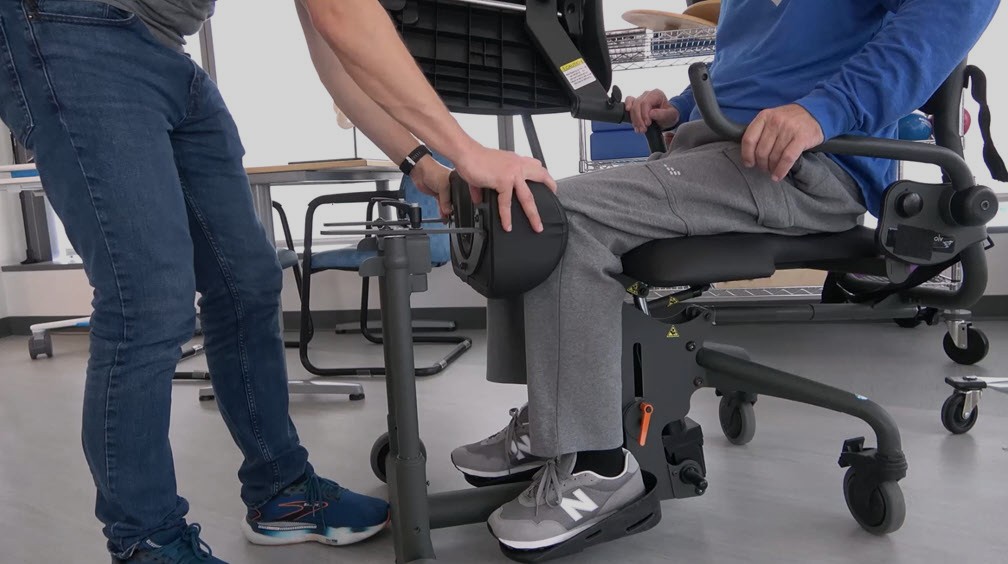
- How to transfer into a standing frame using a manual lift, slide board, or depression
- How to transfer to a strap-style stander
- How to set the ankle angle and lower leg length
- How to set the seat depth and back angle
- How to set the knee pad height and depth
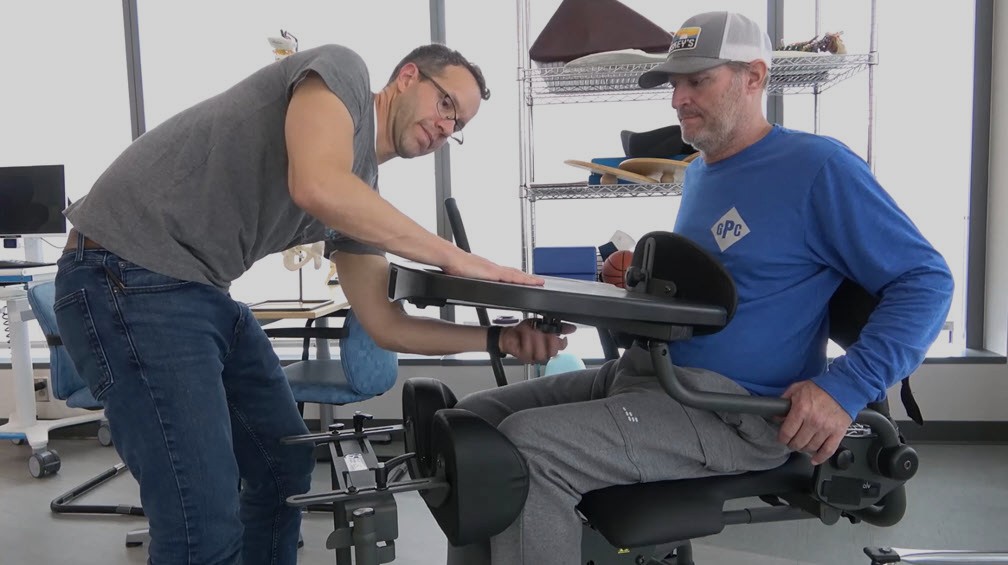
- How to set the chest pad and tray table height and depth
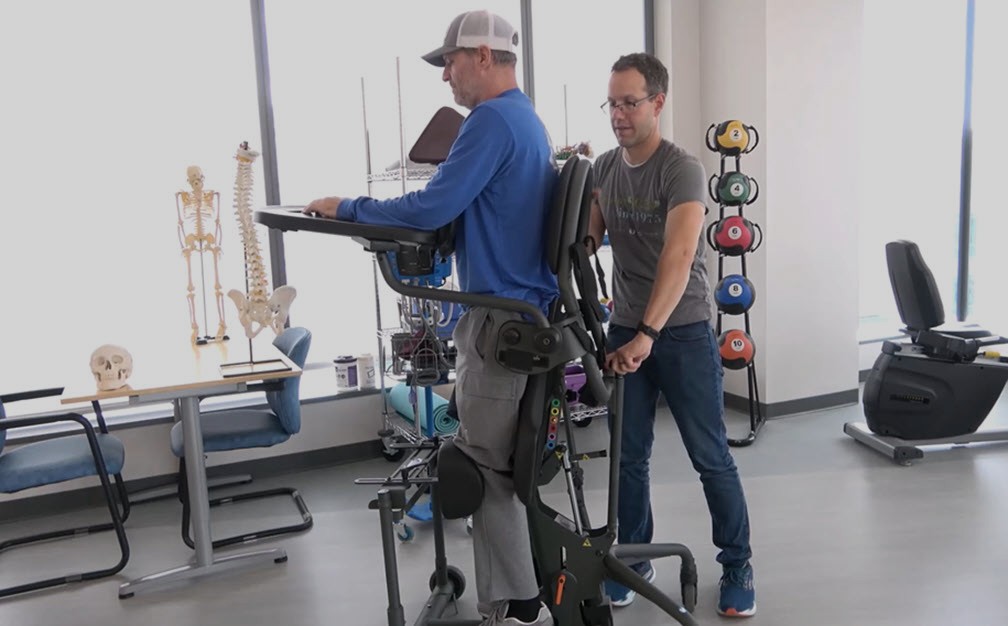
- How to make adjustments while using the standing frame
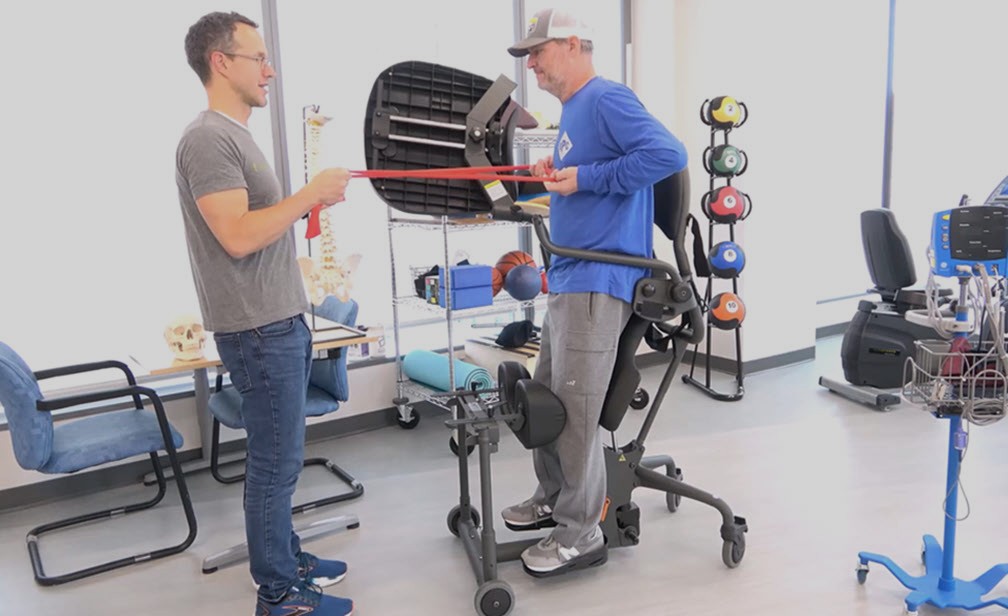
- Activities and exercises you can do in the standing frame to stay healthy and strong